Table of Contents
Introduction
10 Essential makeup application strategies
1. Always have the skin prepped
2. Know what tools to use
3. Face primer
4. Apply liquid foundation properly
5. Learn the art of blending
6. Applying makeup in thin layers
7. Practice contouring and highlighting
8. Don’t forget the eyebrows
9. Set the makeup
10. Remember: Not every technique works for every skin type
Final thoughts
Introduction

Knowing the right makeup application strategies takes time, and it goes beyond having the right makeup products. From beginners who are just starting to build their routine to beauty enthusiasts and professionals who already know a thing or two about makeup but want to refine their techniques, there are lots of strategies to follow that can make a world of difference.
Keep reading to find out which makeup application strategies everyone should know to elevate their makeup game.
10 Essential makeup application strategies
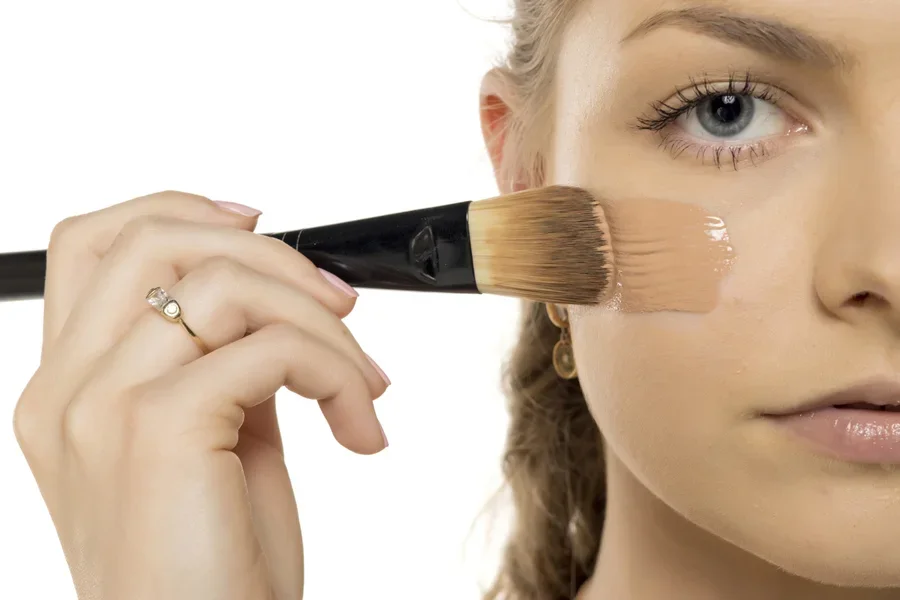
The makeup industry is huge, valued at approximately USD 40.1 billion in 2025. It’s set to grow by a compound annual growth rate (CAGR) of 6.6% between 2025 and 2029, bringing its total value up to USD 48.2 billion by the end of this period. The sheer size of this industry means that there are a lot of products constantly hitting the shelves, so consumers want to know the best makeup application strategies to help them achieve a flawless look.
1. Always have the skin prepped
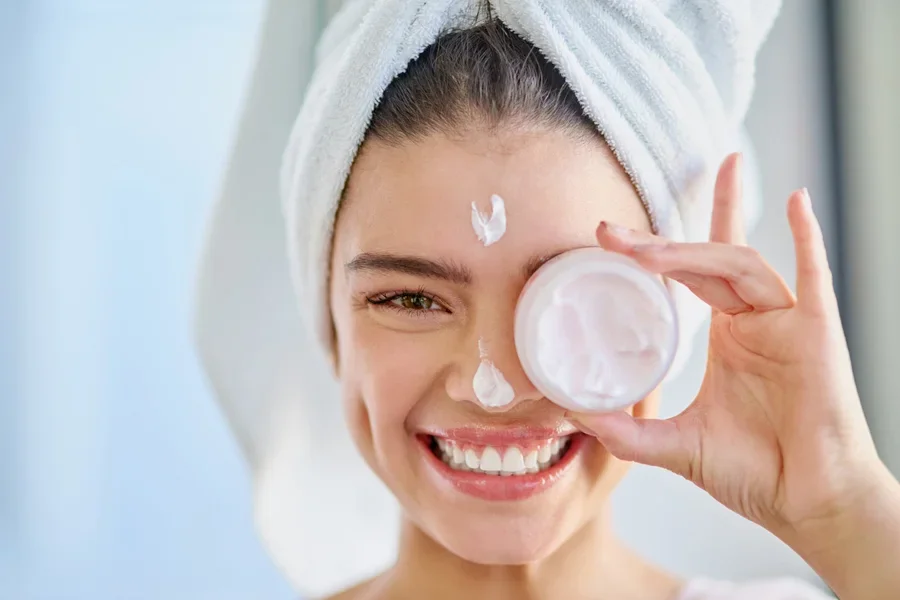
The first place to start is with prepping the skin. Having a good skincare routine in place will help the face to achieve a flawless complexion and create a solid base to add makeup to. Start by using a cleanser to remove any excess debris or oil buildup. Next, add a high-quality moisturizer to the face that’s suitable for the skin type in question. This will help to hydrate and smooth the surface before applying makeup.
It’s recommended to use a moisturizer that contains SPF during the day which will give the products time to absorb into the skin. People who skip using skincare products will often come across dry patches, excess oil on the face, and have an uneven makeup application despite having a regular makeup routine.
2. Know what tools to use
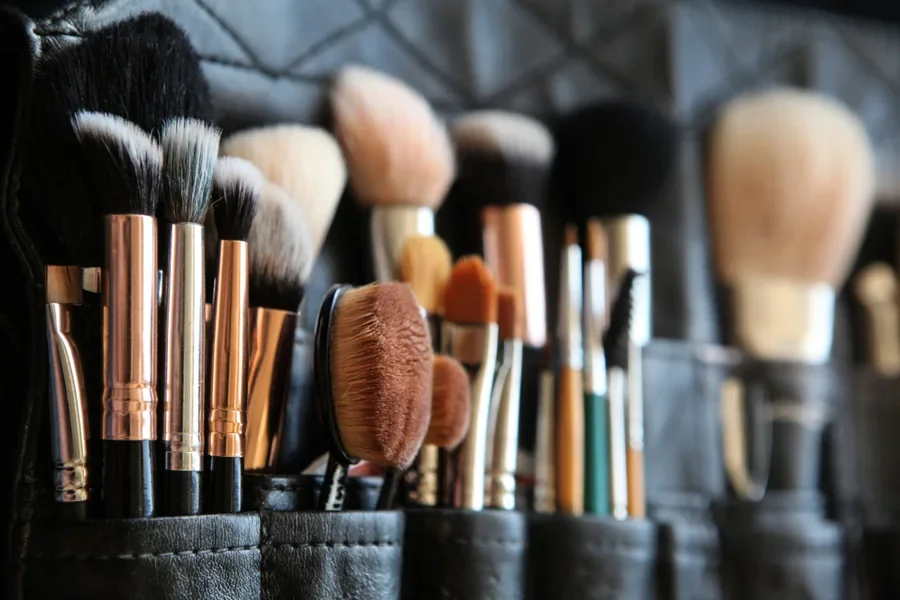
There’s often confusion around whether makeup brushes or sponges are better to use when applying makeup. These makeup tools each offer something different, but ultimately it comes down to individual preference. Makeup brushes are known for offering better control as well as providing fuller coverage. Makeup sponges, on the other hand, can create a more skin-like and dewy complexion which some people prefer. It’s always important to clean the makeup tools on a regular basis to avoid uneven application and bacteria build-up.
3. Face primer

One product that’s sometimes overlooked by consumers who aren’t knowledgeable in makeup application strategies is the use of face primer. This product will help to grip the foundation and help it to stay in place for several hours or throughout the whole day depending on the quality of the makeup. Face primers are available in different types, such as mattifying primers, hydrating primers, and pore-filling primers.
Buyers need to know what their skin type is before purchasing a primer to ensure it works effectively with their makeup. When being used, it’s important to let it set for a couple of minutes before applying foundation. Primers are key to enhancing how the makeup looks on the skin and for extending its wear.
4. Apply liquid foundation properly
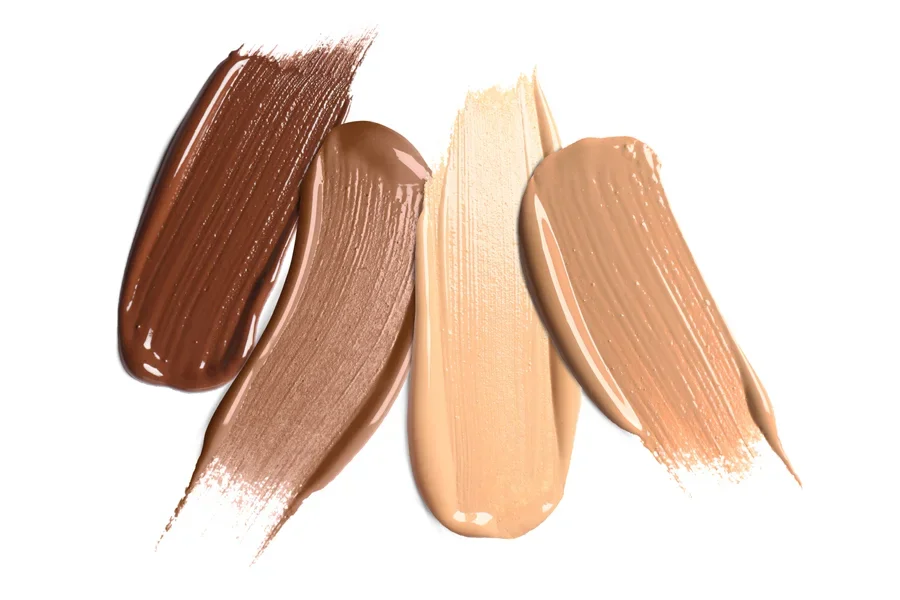
It’s very important to know how to blend liquid foundations. Start on the nose, chin, and cheeks where it’s common to find discoloration. Next, blend the foundation outwards, towards the jaw and hairline, to avoid any strange effect. It’s recommended to start with a small amount of foundation and to build up coverage if more is needed. Make sure that the proper formula is chosen to match the skin type as well, such as matte, natural, or and dewy.
5. Learn the art of blending

Proper blending is one of the most important makeup application strategies to master. This is what sets beginners apart from professionals and makeup enthusiasts. When applying products, using a circular motion is key, especially when applying products on the jawline, cheekbones, and eyes. This soft approach to applying makeup will reduce the likelihood of harsh lines appearing or patching looking eyeshadow which can ruin any look. There’s no worry about over-blending either, so take your time.
6. Applying makeup in thin layers
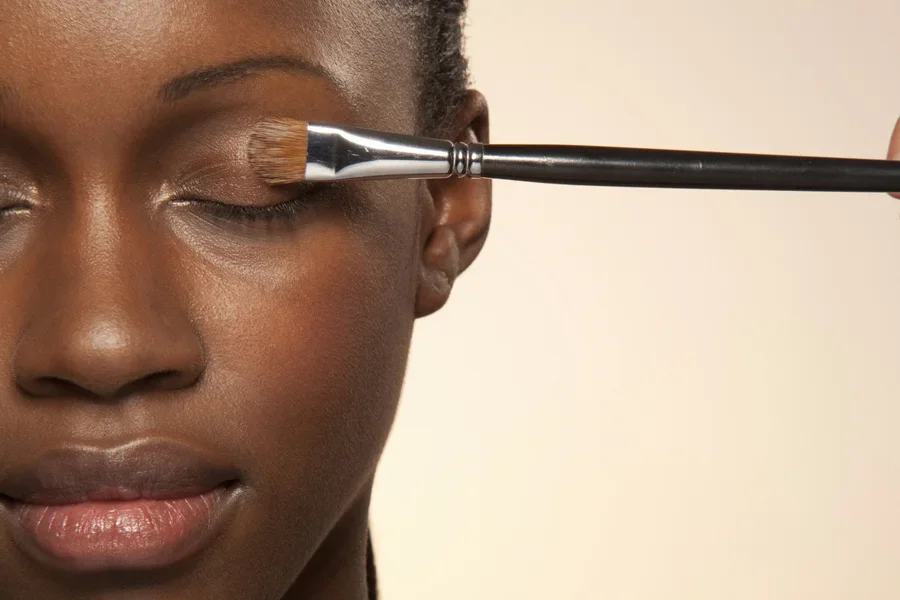
Makeup should always be applied in thin layers and built up as time goes on. Instead of caking the makeup on all at once, starting with a light base and adding more makeup where extra coverage is needed is the best way to do things. This technique allows for a more natural finish and it stops the texture of the skin from becoming over exaggerated. When makeup is overloaded it can create a cakey appearance, which becomes worse throughout the day. This is especially true with liquid foundation application.
7. Practice contouring and highlighting

One of the biggest mistakes people make when applying makeup is not contouring or highlighting well. Both of these methods can have a significant impact on the shape of the face as well as enhancing facial features. Contour products should be used under the jawline, cheekbones, and along the sides of the nose to provide extra dimension to the face.
A highlighter is added to reflect light along the cheekbones, upper lip, and bridge of the nose. These products can often get mixed up by beginners, so knowing the right makeup application strategies will help to improve their overall look and bring out their unique features. The key to using both contour and highlighter well is placement and blending.
8. Don’t forget the eyebrows
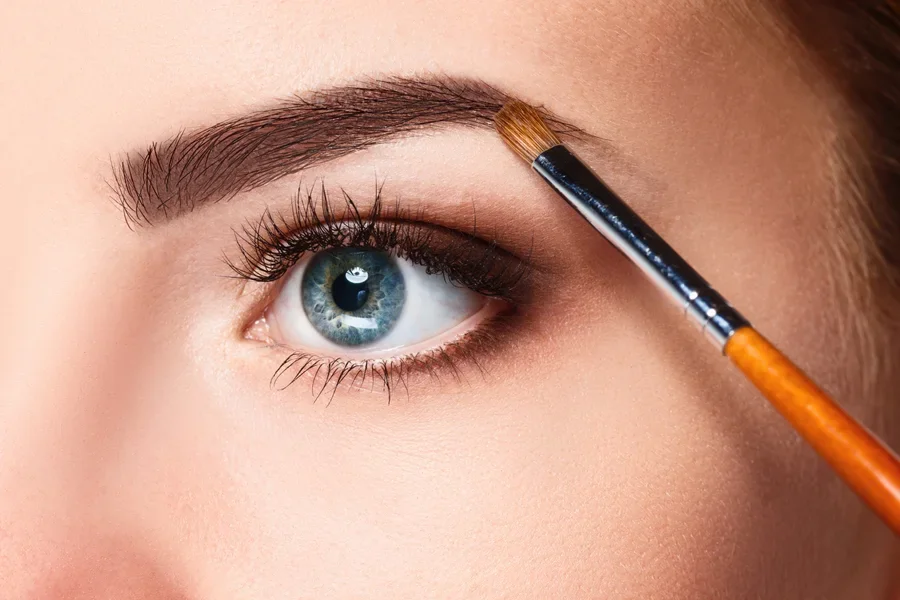
A very effective makeup tool that can be overlooked is the eyeliner pencil. This pencil is used once the eyebrows have been brushed, to fill in areas where the hairs are sparse. An eyeliner pencil is meant to enhance the overall look of natural eyebrows, but using an eyebrow gel can help to add volume if that’s required. Although some people don’t touch their eyebrows, others enjoy adding an extra level of structure to their face and making their eyes pop even more.
9. Set the makeup
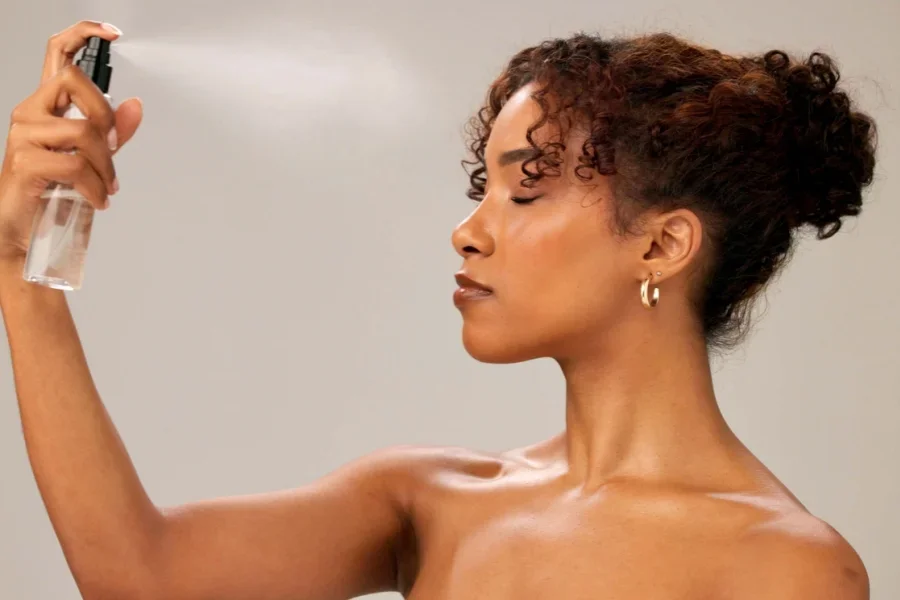
Using a setting spray is a great way to keep the skin looking radiant and fresh. This product can help to look the makeup in place while preventing a shiny look or creasing. Concealer can often settle into fine lines if it’s not applied properly, but a setting spray can prevent this from happening. Setting sprays shouldn’t be used excessively though. For those with mature skin it’s recommended to use a light amount of powder on the face alongside setting spray, rather than using too much makeup.
10. Remember: Not every technique works for every skin type
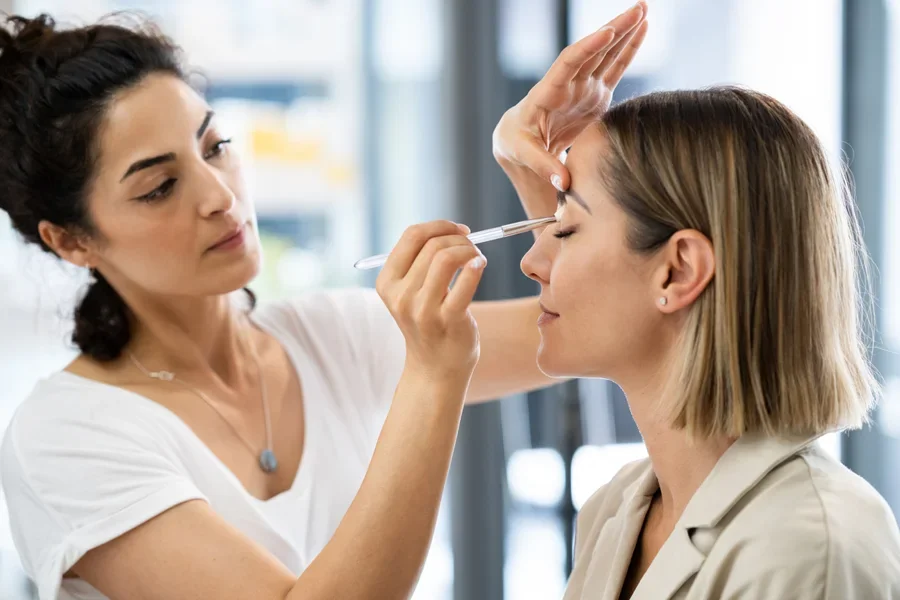
There are a lot of makeup application strategies to try, but what’s important to remember is that not every technique is suitable for every skin type. Application methods can vary based on face shape, skin type, personal preference, and eye shape, so experimenting is the perfect way to find out what works for an individual. The most natural looking results often come from personalization and using the right tools.
Final thoughts
The above mentioned makeup application strategies are a good starting point, but there are many more to try as well. Consumers will want to try out different techniques as well as different makeup products to find the right fit for them. It’s important that all of the products provide useful information regarding skin tone, ingredients, and application processes so buyers can make the most informed decision.