Table of Contents
● Introduction
● Understanding the main types and usage of shoe deodorizers
● Market trends and growth in 2025
● Key factors to consider when choosing shoe deodorizers
● Leading models and their standout features
● Conclusion
Introduction
Shoe deodorizers play a vital role in keeping footwear fresh, extending their lifespan, and maintaining hygiene. These products tackle odor-causing bacteria and moisture, making them essential for high-demand environments and active lifestyles. With advancements in technology and a rising focus on natural solutions, the market in 2026 offers a diverse range of options, from antibacterial sprays to eco-friendly charcoal bags. These innovations not only eliminate odors but also cater to varying preferences, ensuring practicality and sustainability for both everyday and specialized footwear needs.
Understanding the main types and usage of shoe deodorizers
Sprays for quick application
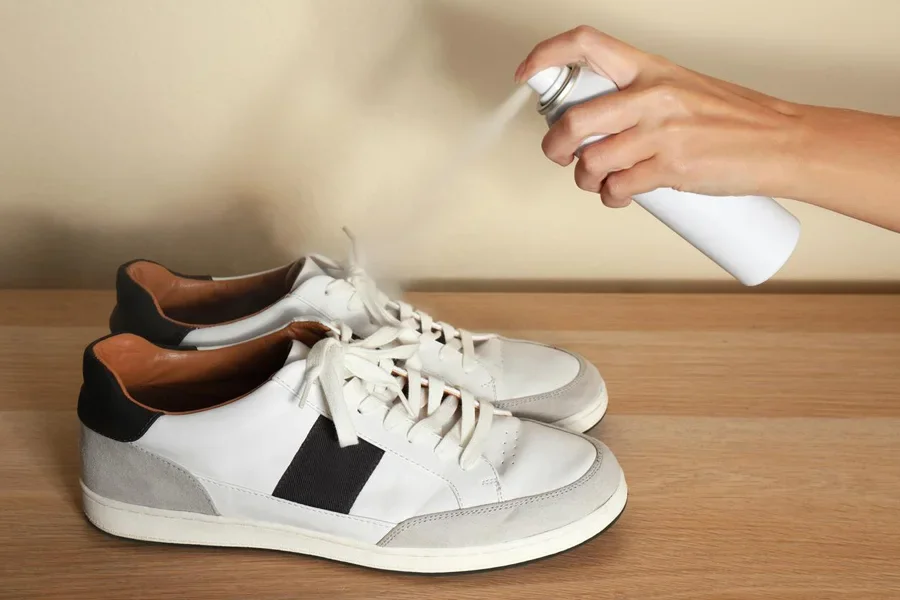
Antimicrobial sprays are a popular choice for eliminating shoe odors due to their ability to act immediately upon application. These sprays neutralize odor-causing bacteria and fungi, offering a hygienic solution for maintaining footwear freshness. They are particularly suitable for materials like fabric and synthetics, where their lightweight mist can penetrate without leaving residue. Additionally, they often include essential oils or antibacterial agents, enhancing their deodorizing efficiency while leaving a subtle, pleasant scent.
Powders for heavy-duty use
Powders are ideal for combating strong odors and absorbing excess moisture from heavily used footwear. These formulations, often made with natural ingredients like baking soda or talc-free alternatives, are effective at maintaining long-term freshness. Recommended for high-sweat activities, powders are best used in athletic shoes or work boots that endure extended wear. Their granular texture ensures they reach deep into crevices, targeting hidden bacteria and prolonging the shoe’s usability.
Deodorizer balls and pods
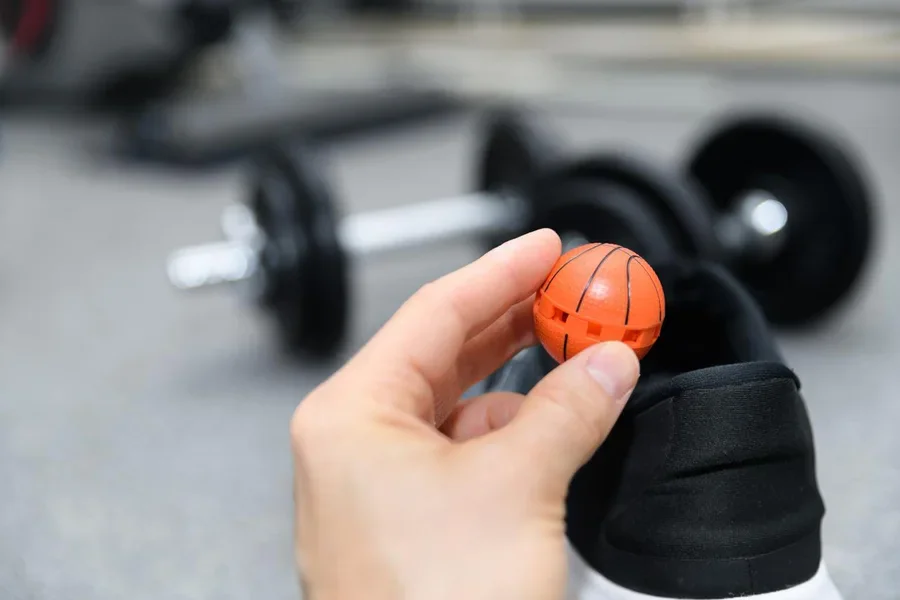
Compact deodorizer balls and pods are a convenient option for maintaining freshness in stored footwear. Designed for portability, these products release odor-neutralizing agents while absorbing moisture, making them perfect for athletic footwear or travel storage. Their reusable nature and ease of placement add to their practicality, ensuring shoes remain odor-free without additional effort. Many are infused with mild fragrances, making them suitable for individuals who prefer subtle scent enhancements.
Charcoal bags and natural inserts
Charcoal bags and inserts offer eco-friendly, reusable solutions for odor control. Utilizing activated charcoal or cedar chips, these deodorizers are highly effective in absorbing odors and preventing moisture buildup. Their chemical-free composition makes them a sustainable choice for long-term use, especially in formal or delicate shoes. They also help in maintaining a fresh environment without overpowering scents, appealing to those who prioritize natural and understated alternatives.
Market trends and growth in 2025
Rising demand for sustainable solutions
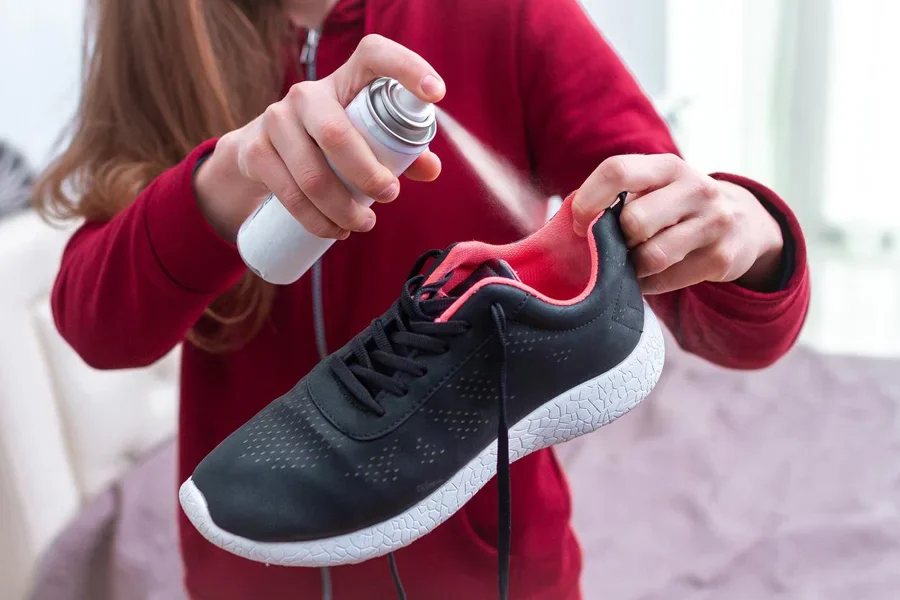
The global shoe deodorizer market reflects a growing shift toward environmentally conscious products. According to Grand View Research, the market is projected to reach $601.1 million by 2030, with a compound annual growth rate (CAGR) of 3.7% from 2023 to 2030. Consumers increasingly favor biodegradable and natural options, such as activated charcoal or essential oil-based deodorizers, which address both performance and environmental concerns. This trend is fueled by heightened awareness of sustainability and the long-term value of eco-friendly products in reducing environmental impact.
Popularity of multi-functionality
The market’s tilt toward versatile products has gained momentum, with deodorizers doubling as air fresheners or sanitizing solutions. These products cater to the demand for efficiency by combining odor removal with disinfecting properties. Market data supports this trend, with the global shoe deodorizer market projected to grow at a compound annual growth rate (CAGR) of 5.6%, reaching approximately USD 470 million by 2033, according to Fact.MR. This growth underscores the increasing preference for products featuring antimicrobial agents, which simultaneously protect against pathogens and maintain freshness, reflecting a reliance on all-in-one solutions for diverse applications.
Technological innovations in odor elimination
Advancements in odor-neutralizing technologies have expanded the functionality of shoe deodorizers. Innovations such as nanosilver particles and ionized sprays are leading the market, offering superior bacterial and fungal elimination. Products utilizing these technologies not only extend footwear lifespan but also maintain hygiene standards in demanding environments. Additionally, the availability of multipurpose deodorizers, which can be used on shoes, sports gear, and even upholstery, reflects a focus on convenience and broader applications.
Key factors to consider when choosing shoe deodorizers
Material compatibility
The effectiveness of a shoe deodorizer depends significantly on its compatibility with the materials of the footwear. Products designed for fabric and synthetic materials may not be suitable for delicate surfaces such as leather or suede. Certain sprays, for instance, can discolor or damage sensitive materials, while powders may leave visible residue. Antimicrobial inserts and activated charcoal bags are often preferred for leather shoes due to their gentle, non-invasive properties. Ensuring the deodorizer matches the shoe’s material not only maintains functionality but also extends the life of the footwear.
Odor-eliminating efficiency
A high-quality shoe deodorizer should target the root cause of odor, which is often bacteria and fungi. Antibacterial ingredients such as nanosilver particles or tea tree oil are particularly effective. Baking soda, activated charcoal, and essential oils like eucalyptus or cedarwood add additional odor-neutralizing benefits while being safe for most shoes. Products combining these elements not only eliminate odors but also prevent their recurrence, making them ideal for frequent use or high-demand scenarios.
Ease of use and application
Convenience is a key consideration, especially when dealing with various shoe types. Sprays offer quick application and immediate results but may require drying time. Powders, while effective for moisture absorption, might require thorough cleanup. Inserts and deodorizing pods are simple to use and suitable for prolonged odor control without additional effort. Evaluating how easy a product is to apply and whether it leaves residue or requires maintenance can guide decisions based on specific needs.
Longevity and cost efficiency
The lifespan of a shoe deodorizer influences its overall value. Reusable products like charcoal bags or antimicrobial pods provide cost-effective solutions, especially for long-term use. In contrast, sprays and powders may require frequent replenishment, increasing ongoing costs. Buyers often benefit from analyzing the product’s durability and the frequency of replacements needed. Selecting an option with a balance of affordability and longevity ensures consistent performance while maintaining budget considerations.
Leading models and their standout features
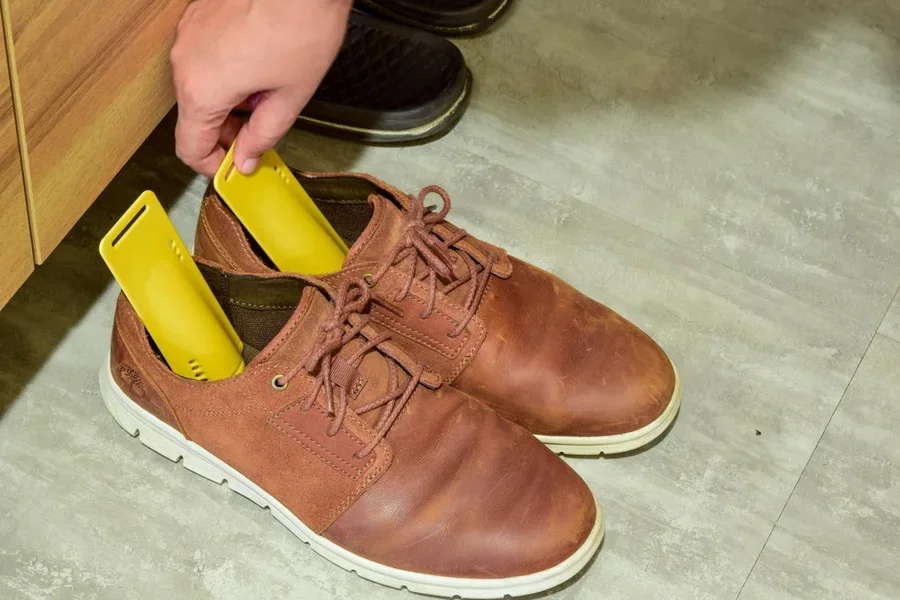
Antimicrobial sprays for everyday use
Antimicrobial sprays provide a quick and effective solution for eliminating odors in footwear. Their primary advantage lies in their ability to neutralize bacteria and fungi on contact, ensuring immediate freshness. These sprays often feature multipurpose applications, allowing them to be used not only on shoes but also on other odor-prone items such as gym bags and upholstery. Many of them are formulated with ingredients like nanosilver particles or essential oils, offering long-lasting protection without leaving residue. They are particularly effective for synthetic and fabric-based shoes.
Eco-friendly charcoal bags for sustainability
Activated charcoal bags have gained popularity for their sustainable and reusable nature. These deodorizers work by absorbing moisture and odor particles, maintaining freshness without the use of harsh chemicals. Their long-term effectiveness makes them a cost-efficient choice, especially for shoes stored over extended periods. Made with biodegradable materials, they appeal to environmentally conscious buyers seeking both functionality and eco-friendliness.
Deodorizer balls and pods for athletes
Compact and portable, deodorizer balls and pods are tailored for active footwear such as sports shoes and cleats. Their design allows them to fit snugly within shoes, where they release odor-neutralizing agents while absorbing sweat. These products are especially useful for maintaining freshness during travel or in gym settings. Their reusable features and minimal maintenance requirements add to their appeal for frequent use.
Powder deodorizers for persistent odors
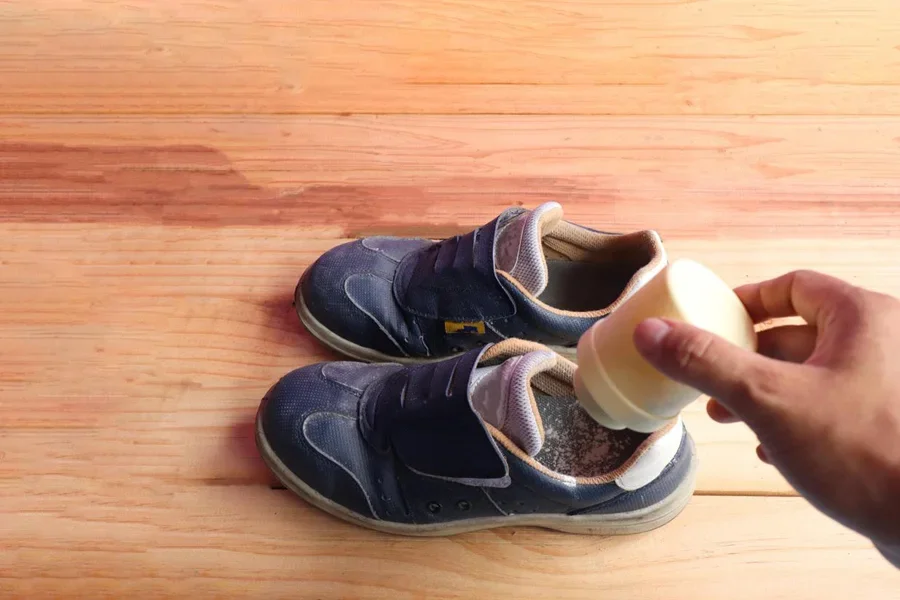
Powder deodorizers excel at tackling deeply embedded odors in footwear exposed to heavy sweat and moisture. Formulated with natural ingredients such as baking soda and essential oils, these products not only eliminate odors but also reduce moisture accumulation, extending shoe lifespan. Talc-free variants are increasingly popular, offering safer alternatives for both users and the environment.
Innovative high-tech devices
High-tech shoe deodorizing devices utilize advanced features like ozone technology and built-in dryers to provide comprehensive cleaning solutions. These machines are particularly effective for deep cleaning and sanitizing, making them suitable for high-demand footwear. With capabilities such as multiple drying tubes and portable designs, they cater to both residential and commercial needs, ensuring footwear stays fresh and hygienic over time.
Conclusion
Keeping footwear fresh in 2026 involves selecting from a wide range of innovative deodorizing solutions, each tailored to specific needs. From antimicrobial sprays and eco-friendly charcoal bags to high-tech devices, these options address varying preferences for convenience, sustainability, and efficiency. Matching the deodorizer to the shoe material, odor level, and intended use ensures optimal results while maintaining hygiene and extending product lifespan. By understanding these options, buyers can make informed choices, balancing practicality with long-term value in keeping footwear clean and odor-free.