Table of Contents
1. Introduction
2. Understanding Cement Trucks: Types and Their Applications
3. Cement Truck Market Insights for 2025
4. Key Factors to Evaluate When Choosing Cement Trucks
5. Leading Cement Truck Models and Their Features
6. Conclusion
Introduction
Cement trucks are indispensable in modern construction, ensuring efficient delivery and mixing of concrete for projects ranging from residential buildings to massive infrastructure developments. These specialized vehicles are engineered to transport, mix, and discharge concrete with precision, saving time and labor while maintaining material quality. As construction demands evolve, advancements in 2025 are driving innovations in fuel efficiency, on-site mixing capabilities, and enhanced operational control. With options tailored to different scales and terrains, cement trucks play a pivotal role in meeting the rigorous requirements of construction sites, ensuring reliability and productivity. For businesses seeking optimal performance, selecting the right cement truck is key to achieving project efficiency and long-term value.
Understanding cement trucks: types and their applications

Types of cement trucks
Cement trucks come in several types, each designed to meet specific construction needs. Transit mixers are among the most commonly used, featuring a rotating drum that keeps concrete fresh during transportation. These trucks are ideal for delivering pre-mixed concrete over long distances, making them versatile for projects of varying scales. Volumetric mixers, on the other hand, store raw materials in separate compartments and mix them on-site. This flexibility allows for precise adjustments in the concrete mix and reduces waste, especially for projects with varying requirements.
Front discharge mixers are designed with the drum at the front of the vehicle, offering better visibility and control. These are well-suited for large-scale projects where precision and efficiency are critical. Rear discharge mixers, the traditional choice, have the drum at the back and are typically used for smaller projects. While simple and reliable, they require additional personnel to operate the discharge chute, which may increase labor demands.
Applications of cement trucks
Cement trucks play a vital role across a broad spectrum of construction projects. In commercial construction, they deliver concrete for structural elements like foundations, floors, and walls, ensuring durability and consistency in large-scale buildings. In residential settings, they are essential for pouring driveways, patios, and sidewalks, supporting quick and efficient project completion.
Industrial applications often demand larger volumes of concrete, such as in factories, warehouses, and infrastructure developments like bridges and tunnels. Cement trucks ensure a steady supply of high-quality concrete, even in challenging terrains and weather conditions, making them indispensable for such demanding projects. Their adaptability and efficiency enable construction teams to meet deadlines and maintain quality, regardless of the project’s complexity.
Cement truck market insights for 2025
Market trends and statistics
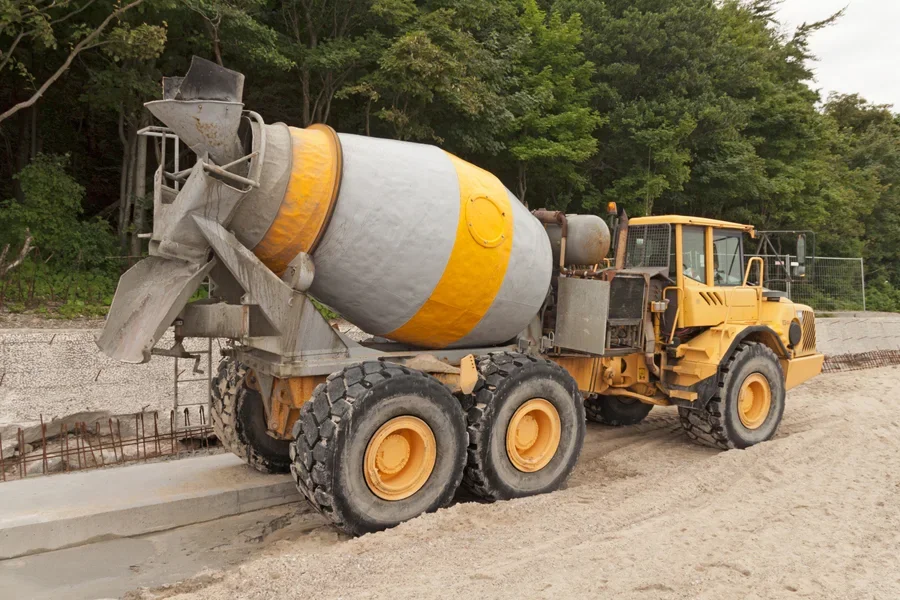
The global cement truck industry is expected to grow significantly by 2025, driven by rising infrastructure projects and urbanization. Emerging regions like Sub-Saharan Africa, India, and North America are leading this growth. Cement demand is projected to rise by 77% in Sub-Saharan Africa, 42% in India, and 20% in North America by 2030. The global concrete mixer truck market, valued at US$24.7 billion in 2023, is estimated to reach US$35.48 billion by 2028, growing at a 7.6% annual rate (CAGR), according to a Research and Markets report. This growth is fueled by expanding construction activities and technological advancements.
Innovations in cement truck technology
Technological advancements in cement trucks focus on improving efficiency and sustainability. Fuel efficiency has improved with aerodynamic designs and lighter materials, while alternative fuels like compressed natural gas (CNG) and liquefied natural gas (LNG) are becoming more popular due to their cost-effectiveness and lower emissions.
Automated mixing systems now ensure consistent concrete quality and reduce human error, providing precise control during production. Digital tools such as GPS tracking and smart monitoring enhance fleet management, optimizing routes, reducing downtime, and cutting costs.
Eco-friendly solutions like electric cement trucks are gaining traction, reducing emissions and meeting regulatory standards. Companies like UltraTech Cement are expanding electric truck fleets, setting a benchmark for sustainable construction logistics.
Key factors to evaluate when choosing cement trucks
Capacity and size requirements
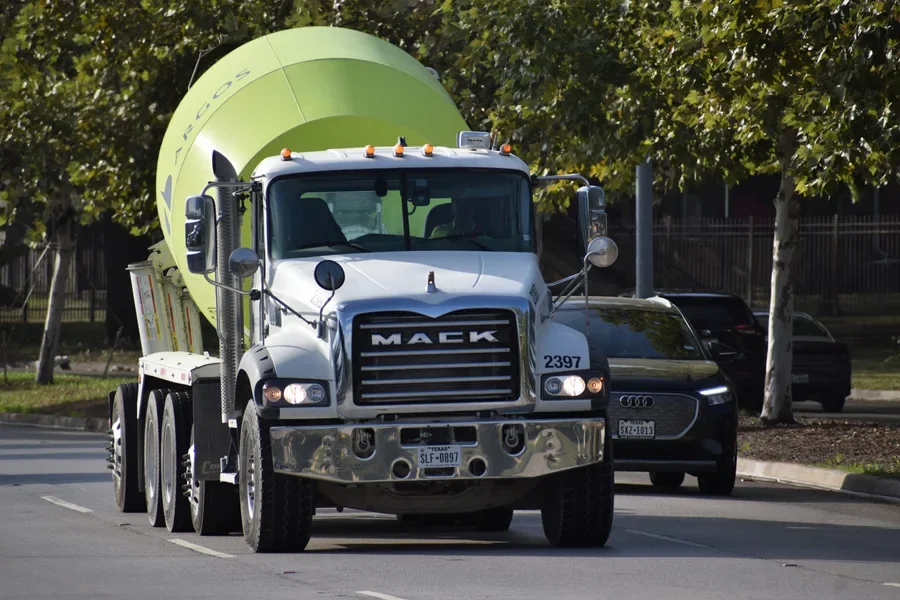
Selecting a cement truck with the appropriate capacity is crucial for project efficiency. Standard concrete trucks typically hold between 8 to 10 cubic yards of concrete, while larger models can accommodate up to 14 cubic yards. It’s essential to align the truck’s capacity with the project’s concrete volume needs. For large-scale projects, a higher-capacity truck reduces the number of trips required, enhancing productivity. Conversely, smaller projects may benefit from trucks with lower capacities to navigate confined spaces more effectively. Additionally, consider site accessibility; larger trucks may face challenges in areas with tight turns or weight restrictions.
Performance and engine specifications
The choice between diesel and electric engines significantly impacts performance and environmental considerations. Diesel engines have traditionally been favored for their high horsepower and torque, making them suitable for challenging terrains and heavy loads. However, advancements in electric vehicle technology are introducing viable alternatives. Fully electric heavy-duty concrete mixer trucks are becoming available, offering zero-emission options. When evaluating engine options, assess factors such as power output, torque, fuel efficiency, and the availability of charging infrastructure for electric models.
Maintenance and durability
The longevity and reliability of a cement truck are paramount. Opt for models known for their robust construction and ease of maintenance. Access to spare parts and service centers is vital to minimize downtime. Reviewing the maintenance history of specific models can provide insights into their durability and potential issues. Additionally, consider the availability of warranties and support services from manufacturers, as these can significantly impact long-term operational costs.
Cost considerations

A comprehensive cost analysis should encompass initial purchase price, fuel consumption, maintenance expenses, and potential resale value. While electric cement trucks may have higher upfront costs, they often offer lower operating expenses due to reduced fuel and maintenance needs. Retrofitting traditional trucks with modern electric systems has shown significant savings on fuel annually. Evaluating the total cost of ownership over the vehicle’s lifespan provides a clearer picture of its economic viability.
Leading cement truck models and their features
Overview of top models
Cement trucks are built to meet different construction needs, with some models designed for large-scale projects and others for smaller, confined spaces. High-capacity trucks are ideal for transporting large amounts of concrete efficiently, while compact trucks are better suited for tight urban construction sites. Versatile models that balance capacity and flexibility work well for medium-sized projects and general applications.
These trucks are durable, with reinforced drums and strong frames, ensuring they handle tough working conditions and deliver consistent concrete quality.
Comparative analysis of models
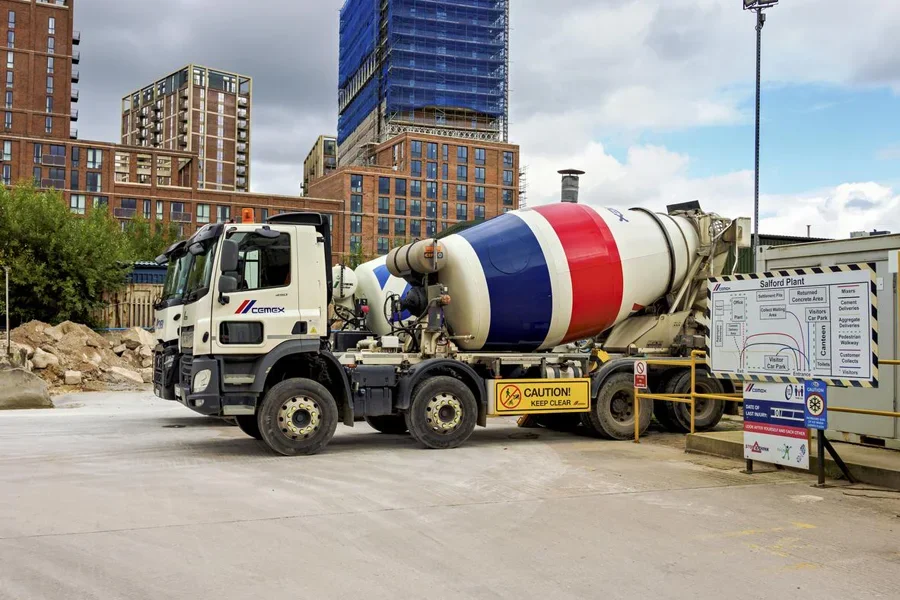
Different trucks offer unique advantages depending on project needs. High-capacity trucks save time on large projects by reducing trips, but they require a larger investment. Smaller trucks are more affordable and better suited for projects in narrow or hard-to-reach areas. Mid-range options provide flexibility and are a good choice for diverse projects.
By considering factors like size, capacity, and cost, businesses can select the right truck to match their specific requirements.
Features to look for in modern cement trucks
Modern cement trucks include features that improve efficiency and safety. Automated systems make unloading easier and reduce waste, while advanced mixing technology ensures concrete stays consistent during transport. Comfortable cab designs with adjustable seating and air conditioning support drivers during long workdays. Safety features like stability controls, better brakes, and cameras enhance on-site security.
Conclusion
Selecting the right cement truck is crucial for ensuring efficiency and success in construction projects. By considering factors such as capacity, performance, maintenance, cost, and compliance, businesses can make decisions that align with their operational goals. Modern trucks equipped with advanced features like automated systems, enhanced safety measures, and eco-friendly technologies provide both productivity and long-term value. Keeping up with industry trends and technological advancements ensures that chosen models meet evolving project demands in 2025. Thoughtful evaluation of these elements leads to better project outcomes and supports sustainable growth in the construction sector.