Table of Contents
1. Introduction
2. Exploring the main types and their uses
3. Understanding the 2025 Cub bike market
4. Factors to consider when selecting Cub bikes
5. Highlighting the best models and their features
6. Conclusion
Introduction
Cub bikes have long been a staple in efficient transportation, offering a unique blend of practicality, durability, and ease of operation. Known for their compact design and reliable performance, these motorcycles are ideal for urban environments where maneuverability and fuel efficiency are critical. From streamlining delivery operations to facilitating cost-effective commuting, Cub bikes cater to diverse professional needs with their adaptability and low maintenance requirements. Their advanced features, such as semi-automatic transmissions and enhanced ergonomics, make them suitable for riders of varying skill levels. Whether used for daily operations or specialized tasks, Cub bikes provide a dependable solution that balances functionality with affordability, ensuring long-term value in any application.
Exploring the Main Types and Their Uses
Standard Cub Bikes for Urban Commuting
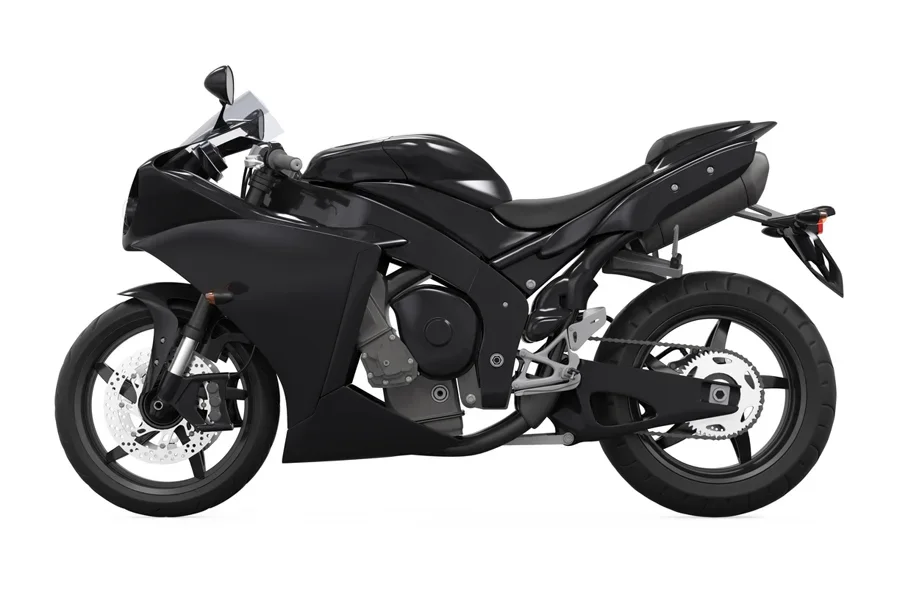
Standard Cub bikes are compact and built for efficiency in urban environments. They typically feature smaller engine capacities, making them highly fuel-efficient and easy to handle. These bikes are well-suited for short-distance commutes and tasks like deliveries in congested city areas. Their lightweight frames and straightforward designs, such as step-through chassis, ensure accessibility and convenience for riders. The focus on practicality and cost-effectiveness makes them a popular choice for daily use in professional settings requiring quick, reliable mobility.
Performance-Oriented Cub Bikes
Performance-oriented Cub bikes cater to tasks requiring higher speed and adaptability. With more powerful engines and improved suspensions, these models excel in covering longer routes or navigating mixed terrains. They are particularly effective for businesses that operate across broader areas, where efficiency and speed are priorities. The advanced transmission systems in these bikes provide smoother gear shifts and enhanced control, enabling reliable performance even under demanding conditions. Their robust design supports heavier loads, making them ideal for applications that go beyond routine urban commutes.
Adventure-Ready Cub Bikes
Adventure-ready Cub bikes are built for durability and designed to handle challenging environments. With features like reinforced frames, high ground clearance, and rugged suspensions, these bikes are suited for off-road conditions and long-distance travel. They offer reliability in less developed areas or when tackling difficult terrains, making them valuable for operations requiring dependable transportation in remote or unpredictable settings. These models have proven their resilience and versatility, earning them a reputation as reliable options for both professional and exploratory purposes.
Understanding the 2025 Cub Bike Market
Market Data Overview
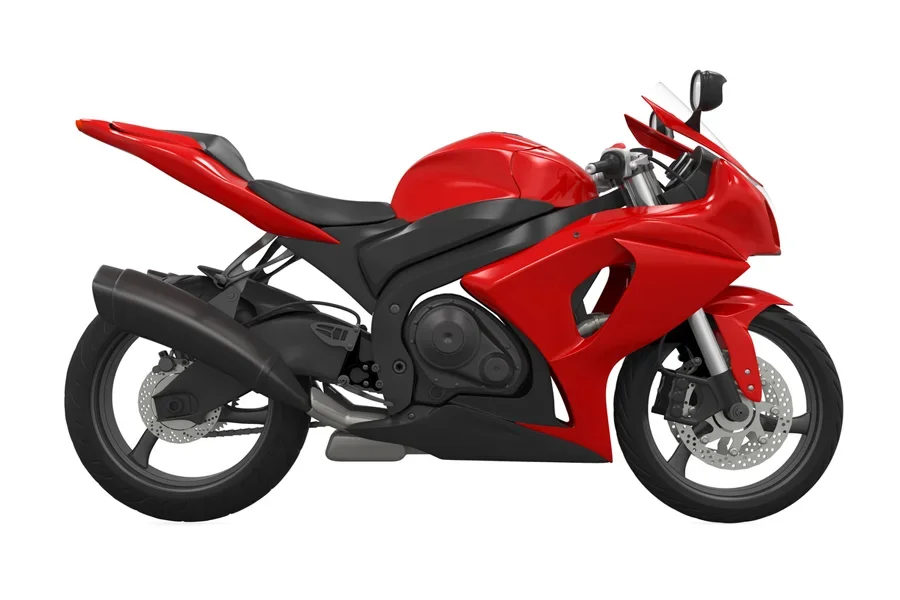
According to Statista’s Market Forecast, the global Cub bike market was valued at approximately USD 62.79 billion in 2024. It is projected to grow to USD 69.99 billion by 2029, reflecting a compound annual growth rate (CAGR) of 2.19% during this period.
Key Trends In Cub Bike Technology
Recent advancements in Cub bike technology have prioritized rider convenience and environmental sustainability. Semi-automatic transmissions have simplified gear operation, making these bikes accessible to a wider range of users. LED lighting systems have enhanced visibility and reduced energy consumption, improving safety standards. Fuel efficiency continues to be a major focus, with manufacturers working to lower emissions and operational costs, demonstrating the industry’s commitment to eco-friendly solutions.
Factors to Consider When Selecting Cub Bikes
Performance and Efficiency
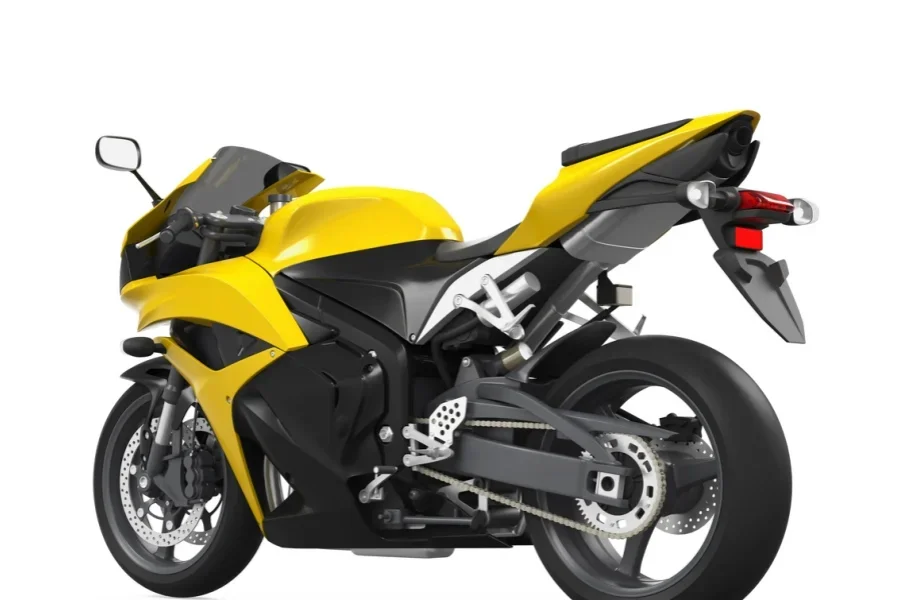
Engine specifications and fuel economy are critical considerations. Cub bikes typically feature air-cooled, single-cylinder engines with displacements around 124cc, delivering a balance between power and efficiency. Many models achieve fuel consumption rates of approximately 1.5 liters per 100 kilometers, offering a range of about 250 kilometers from a 3.7-liter fuel tank. Assessing power output in relation to operating costs is essential; higher performance may lead to increased fuel consumption, impacting overall efficiency.
Comfort and Ergonomics
Rider comfort is influenced by seat design, riding position, and user-friendly features. Ergonomic seats with adequate padding and support reduce fatigue during extended use. Features such as step-through chassis designs facilitate easy mounting and dismounting, enhancing accessibility. Additionally, the integration of LED lighting systems improves visibility, contributing to rider safety.
Maintenance and Longevity
The ease of maintenance and availability of parts significantly affect a bike’s longevity and operational costs. Models with a reputation for reliability and widespread parts availability ensure minimal downtime and cost-effective repairs. Many Cub bikes are known for their durability and extensive support networks, making them practical choices for long-term use.
Intended Application
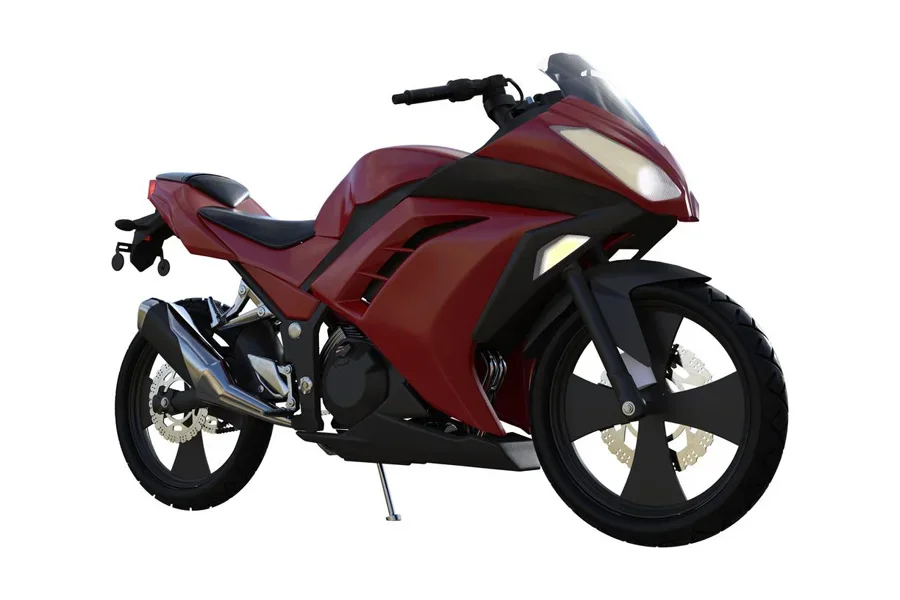
Aligning the bike’s capabilities with its intended use is crucial. Standard Cub bikes are ideal for urban commuting and short-distance travel, offering ease of use and cost efficiency. Performance-oriented models cater to tasks requiring higher speed and adaptability to varied terrains, making them suitable for longer delivery routes. Adventure-ready Cub bikes are designed for off-road conditions and long-distance travel, providing durability in challenging environments. Customization options, such as cargo racks or enhanced suspension systems, can further tailor a bike to specific professional needs.
Highlighting the Best Models and Their Features
Models Designed for Urban Versatility
Urban-focused Cub bikes are crafted to prioritize reliability and ease of use in congested environments. These models typically feature smaller engines that balance power and fuel efficiency, making them ideal for short commutes or frequent delivery stops. They often incorporate semi-automatic transmissions for smoother operation and ergonomic designs to ensure rider comfort during extended periods of use. Safety enhancements such as anti-lock braking systems (ABS) and energy-efficient LED lighting add an extra layer of functionality, catering to professionals working in busy cityscapes.
High-Performance Models for Professional Use
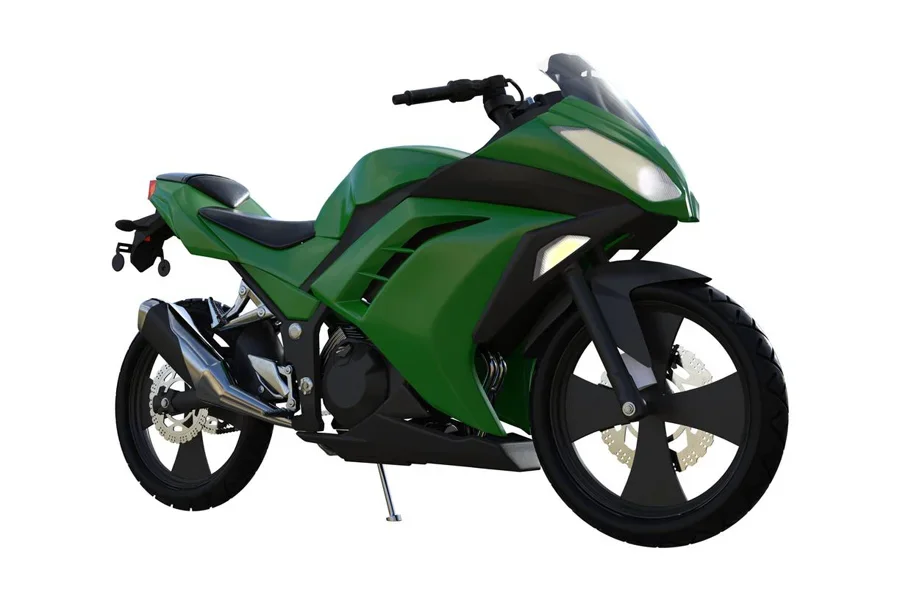
For applications requiring greater speed, load capacity, or adaptability, performance-oriented models stand out. These bikes are equipped with more powerful engines and robust frames to handle longer routes and heavier cargo. Features like enhanced suspension systems and larger fuel tanks improve both range and ride stability, while advanced braking mechanisms ensure safety even under demanding conditions. Such models are particularly effective for businesses managing logistics or time-sensitive deliveries over varied terrains.
Durable Options for Adventurous Use
Rugged and adventure-ready Cub bikes are engineered for challenging environments and off-road use. With reinforced frames, higher ground clearance, and durable suspension systems, these models excel in navigating uneven terrain. Their robust construction allows them to endure prolonged use in remote or harsh settings, making them a reliable choice for long-distance travel or operations in less developed areas. Customization options, such as additional cargo attachments, can further enhance their utility for specific needs.
Conclusion
Understanding the types, market trends, and essential features of Cub bikes is crucial for professionals seeking reliable transportation solutions. By evaluating factors such as performance, comfort, maintenance, and intended application, businesses can identify models that align with specific operational needs. Whether prioritizing urban efficiency, high performance for logistics, or durability for challenging environments, informed decisions ensure long-term value and functionality. In 2026, choosing the right Cub bike remains a key investment for enhancing efficiency, adaptability, and reliability in professional contexts, allowing organizations to stay ahead in their respective industries.