Table of Contents
1. Introduction
2. Main Types of Gas Scooters and Their Uses
3. Gas Scooter Market Trends and Insights
4. Key Factors to Consider When Choosing a Gas Scooter
5. Leading Gas Scooter Models in 2026
6. Conclusion
Introduction
Gas scooters have become a popular choice for businesses seeking efficient, cost-effective transportation solutions. With their fuel efficiency, low maintenance needs, and compact size, these vehicles are ideal for short-distance travel, delivery services, and navigating busy urban environments. In 2026, the demand for gas scooters continues to rise, driven by the need for affordable and reliable alternatives to traditional vehicles. Choosing the right gas scooter can significantly impact operational costs, enhance mobility, and improve overall efficiency. Whether used for delivery, logistics, or employee transport, selecting the right model is crucial to ensuring long-term value and smooth operations.
Main types of gas scooters and their uses

Standard gas scooters
Standard gas scooters are among the most versatile and commonly used models, particularly for urban environments. These scooters are lightweight, easy to maneuver, and generally fuel-efficient, making them ideal for short-distance commuting. Businesses looking for a cost-effective solution for employees or deliveries in crowded city areas often favor this type. With a typical engine size of 50cc to 150cc, these scooters offer sufficient power for short to medium commutes, and their small size ensures they can easily navigate through dense traffic or park in tight spaces. The low maintenance requirements of these models further enhance their appeal for business use, minimizing downtime and keeping operational costs manageable.
Sport gas scooters
Sport gas scooters are designed for higher performance and are built to handle more demanding use cases. With larger engines, typically ranging from 150cc to 250cc, these scooters offer greater speed and stability, making them perfect for recreational riders or those looking to cover longer distances at a quicker pace. While not as commonly used in a business context, sport scooters can be valuable for businesses involved in tourism, outdoor adventures, or even as promotional vehicles in high-visibility settings. These models often come equipped with enhanced features such as larger tires, improved suspension systems, and sporty designs that appeal to a more active, performance-oriented clientele. They provide a balance of power and agility, making them suitable for both recreational and commercial uses.
Heavy-duty gas scooters
For businesses that require transporting goods or need a more robust vehicle for extended commutes, heavy-duty gas scooters are the ideal choice. These models are built with larger engines, often exceeding 250cc, and feature reinforced frames to handle heavier loads. Commonly used in logistics, delivery services, or construction-related industries, heavy-duty scooters can carry larger cargo and cover longer distances without compromising on power. These scooters are designed for durability and reliability, able to withstand tough working conditions. Their larger storage capacity and powerful engines make them highly suitable for businesses that rely on consistent, long-term transportation solutions. The increased capacity allows them to replace traditional motorbikes or even small trucks in certain settings, providing cost savings and improved fuel efficiency.
Electric hybrid gas scooters

With increasing demand for eco-friendly solutions, electric hybrid gas scooters have become a popular choice for businesses seeking to reduce their carbon footprint while still benefiting from the range and power of a gas engine. These scooters combine a traditional gas engine with an electric motor, offering the best of both worlds. The hybrid design allows users to switch between gas and electric power depending on the terrain and distance, optimizing fuel efficiency and reducing emissions. Businesses operating in cities with low-emission zones or those looking to improve their sustainability credentials can benefit from these models. The ability to rely on electric power for short trips while having the option to switch to gas for longer distances offers flexibility and cost-efficiency. Hybrid scooters are ideal for companies looking to meet sustainability goals without sacrificing performance or operational efficiency.
Gas scooter market trends and insights
Market Overview and Growth Projections
The gas scooter market was valued at approximately US$ 3.8 billion in 2024, with expectations for it to grow to US$ 5.5 billion by 2029. Analysts predict a compound annual growth rate (CAGR) of 7.0% from 2024 to 2029, driven by growing demand for eco-friendly transportation solutions and continuous innovations in scooter technology, according to data from Grand View Research.
Growing demand for eco-friendly transport solutions
As businesses focus on sustainability, the demand for eco-friendly transportation options, including gas scooters, is increasing. Stricter environmental regulations and a push for greener alternatives have made low-emission, fuel-efficient vehicles a key priority. Gas scooters, particularly hybrid and energy-efficient models, help reduce carbon footprints while providing cost savings through lower fuel consumption and reduced maintenance. This makes them a popular choice for businesses looking to balance performance with environmental responsibility.
Key Factors to Consider When Choosing a Gas Scooter
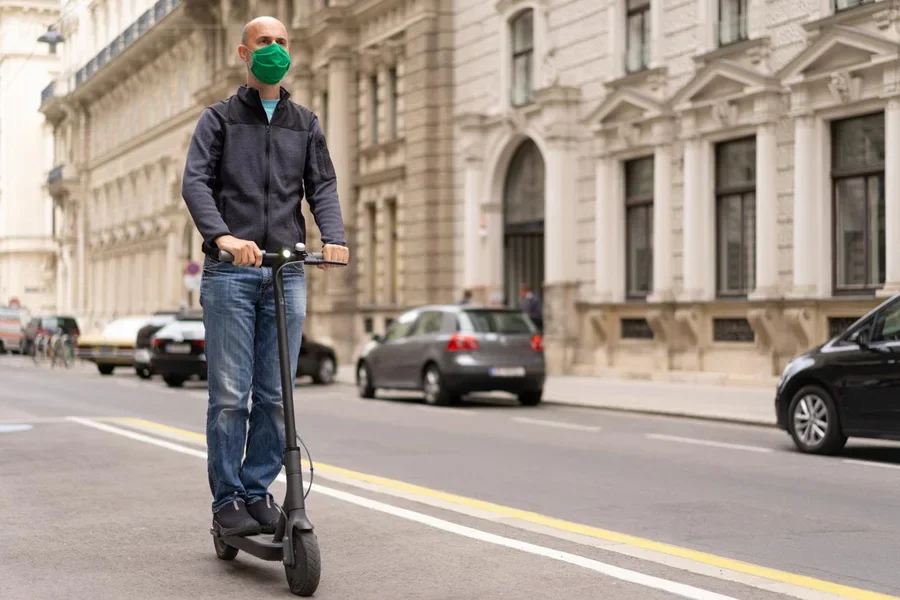
Performance and engine specifications
The performance of a gas scooter largely depends on its engine capacity, which affects its power, speed, and suitability for different tasks. Larger engines are ideal for long commutes and carrying heavy loads, while smaller engines work well for urban travel. It’s also important to consider fuel efficiency, as hybrid or energy-efficient models can reduce fuel costs without sacrificing performance.
Safety features and regulations
Safety features are crucial for ensuring compliance with local laws and protecting the rider. Many regions have specific regulations for gas scooters, such as helmet requirements and emission standards. Features like anti-lock braking systems (ABS), automatic lighting, and good suspension improve rider stability, reduce accidents, and help businesses avoid potential legal and insurance issues.
Durability and maintenance requirements
Durability plays a significant role in long-term scooter performance. Scooters made from materials like stainless steel or aluminum tend to last longer and withstand daily wear and tear. It’s also important to consider the scooter’s maintenance needs—models with fewer maintenance requirements and easy access to parts will reduce downtime and repair costs for businesses.
Cost of ownership
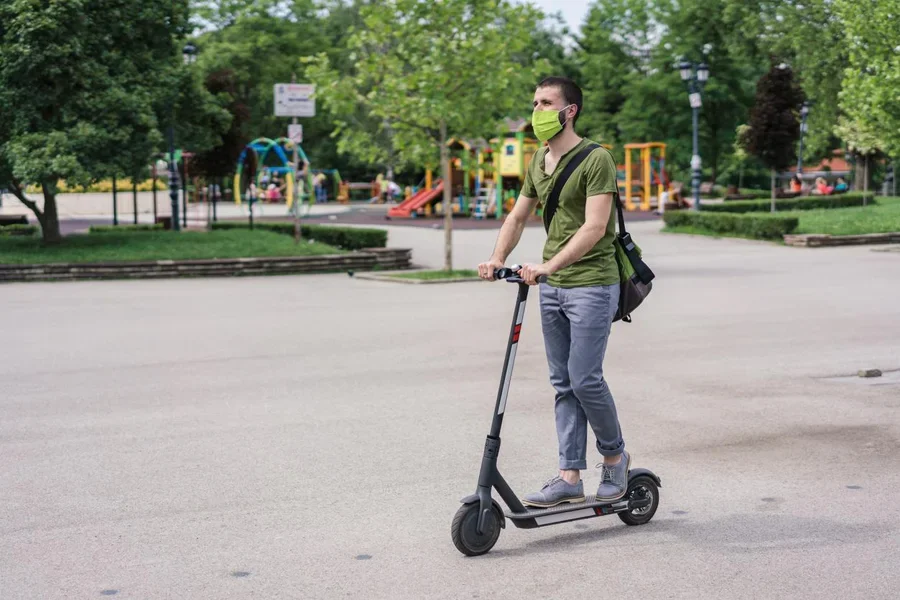
The total cost of ownership includes both the initial purchase price and ongoing expenses such as fuel, maintenance, and insurance. Hybrid scooters, while more expensive upfront, offer long-term savings in fuel costs, while traditional gas scooters might have lower initial costs but could result in higher operational expenses over time. Balancing these costs is crucial for selecting the most economical option for business needs.
Leading Gas Scooter Models in 2026
Top gas scooters for urban commutes
For urban environments, gas scooters are ideal due to their ability to maneuver through traffic and offer fuel efficiency for short commutes. Popular models in this category typically feature engines around 50cc to 150cc, providing enough power for everyday use while ensuring excellent fuel economy. These scooters are compact and lightweight, making them easy to navigate through congested city streets and tight spaces. With their low carbon emissions and minimal maintenance requirements, they offer businesses an affordable transportation option for last-mile delivery or employee commutes in urban areas.
High-performance models for adventure and recreation
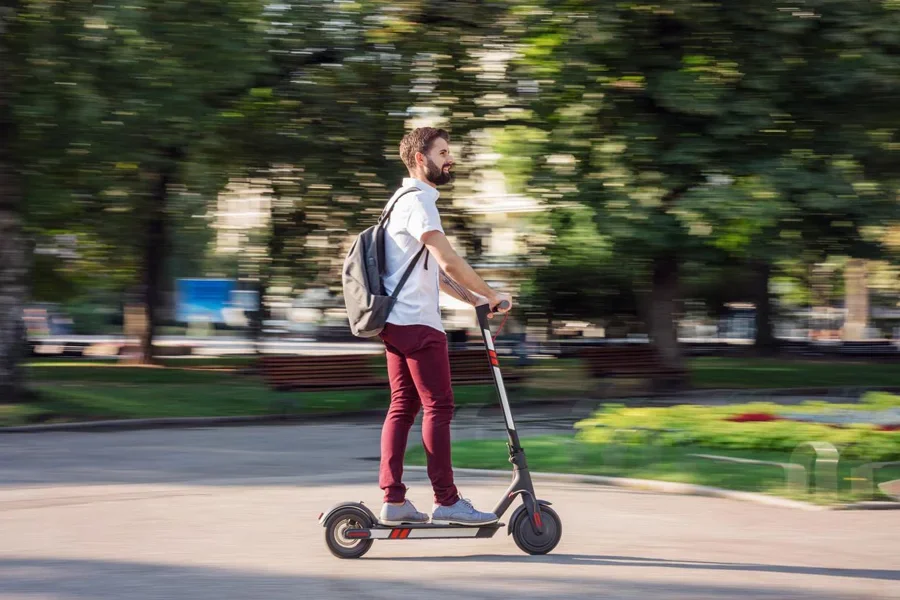
In sectors that require more power and rugged performance, such as outdoor recreation or tourism, high-performance gas scooters are essential. Models designed for adventure and recreation usually feature larger engines, typically ranging from 125cc to 250cc, which enable higher speeds and better handling on a variety of terrains. These scooters are built to withstand rougher conditions and provide a smooth ride across uneven surfaces. For businesses offering tours or recreational activities, these models offer the necessary performance for both urban and off-road use, ensuring that customers can enjoy a thrilling experience while maintaining safety and comfort.
Heavy-duty gas scooters for business applications
Heavy-duty gas scooters are ideal for businesses requiring durable, reliable transportation for goods delivery or other commercial applications. These models are typically equipped with engines between 150cc and 250cc, offering the power needed to carry heavier loads over longer distances. They also feature reinforced frames, larger tires, and greater cargo capacities to handle more demanding tasks, making them an excellent choice for logistics, delivery services, and industrial operations. Heavy-duty scooters can navigate urban streets efficiently while carrying goods or equipment, making them indispensable for businesses looking for an affordable alternative to larger vehicles.
Eco-friendly hybrid scooters
As sustainability becomes a critical factor in business operations, hybrid gas scooters are gaining popularity. These models combine gas engines with electric motors, offering a more eco-conscious solution while still maintaining the range and power of traditional gas-powered scooters. Hybrid scooters are ideal for businesses looking to reduce their environmental impact while benefiting from the low operating costs and versatility of gas-powered vehicles. These models typically feature advanced fuel-efficient technologies that enable businesses to save on fuel consumption, reduce emissions, and align with sustainability initiatives without sacrificing performance.
Conclusion
Selecting the right gas scooter in 2026 involves evaluating key factors like performance, safety, durability, and overall cost of ownership. Businesses should prioritize models that align with specific operational needs, whether for urban commuting, high-performance recreation, or heavy-duty logistics. As sustainability becomes increasingly important, eco-friendly hybrid options provide an effective balance between environmental responsibility and efficiency. With the market expected to grow steadily, investing in the right scooter can deliver long-term savings, reduce environmental impact, and enhance operational efficiency. Careful consideration of these elements will ensure that businesses make a sound investment in their transportation solutions.