Table of Contents
● Introduction
● Main Types and Usage of Tow Trucks
● Tow Truck Market Overview in 2024
● Key Considerations for Selecting Tow Trucks
● Leading Tow Truck Models and Their Features
● Conclusion
Introduction
Tow trucks are vital for a wide range of industries, offering a reliable solution for vehicle recovery and transport. In 2026, these trucks come in various types, each designed to meet specific needs, from light-duty models perfect for everyday breakdowns to heavy-duty units capable of hauling large commercial vehicles. Tow trucks are equipped with specialized features such as hydraulic lifts, winches, and advanced towing systems, making them essential tools for ensuring smooth and safe operations. Selecting the right tow truck is crucial, as it directly impacts efficiency, safety, and long-term operational costs. Understanding the features and capabilities of different tow truck models helps businesses choose the right vehicle to meet their requirements.
Main Types and Usage of Tow Trucks
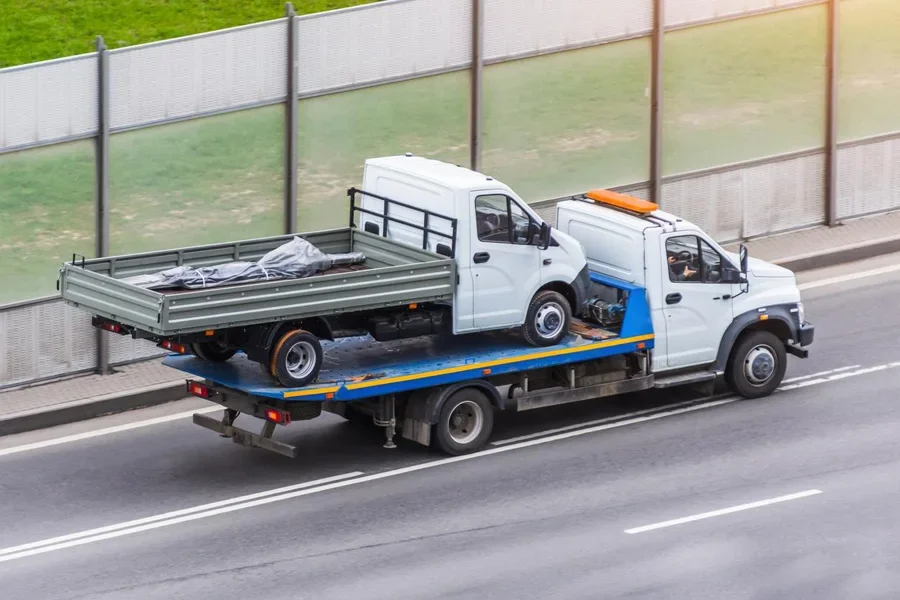
Flatbed Tow Trucks
Flatbed tow trucks are among the most versatile. They have a large flat bed where vehicles are loaded without touching the ground, making them ideal for transporting cars with serious damage or high-end vehicles. The vehicle is either driven onto the bed or winched onto it, ensuring it remains secure during transport. This type of tow truck is often used for long-distance hauling because of the safety and stability it provides.
Hook and Chain Tow Trucks
Hook and chain tow trucks are older models used for light-duty towing. A hook is attached to the vehicle’s frame, and chains are used to lift it off the ground. They are best for small vehicles like sedans or motorcycles. While these trucks are affordable and effective for basic towing tasks, they can cause damage to the vehicle being towed, especially when used improperly.
Wheel-Lift Tow Trucks
Wheel-lift tow trucks are a more modern alternative to hook and chain trucks. They lift the vehicle by its wheels, making them less likely to damage the vehicle compared to hook and chain methods. These trucks are commonly used for medium-duty towing, such as compact cars or small trucks, and are ideal for short-distance towing or emergency breakdowns. They are quick, efficient, and work well in tight spaces.
Integrated Tow Trucks
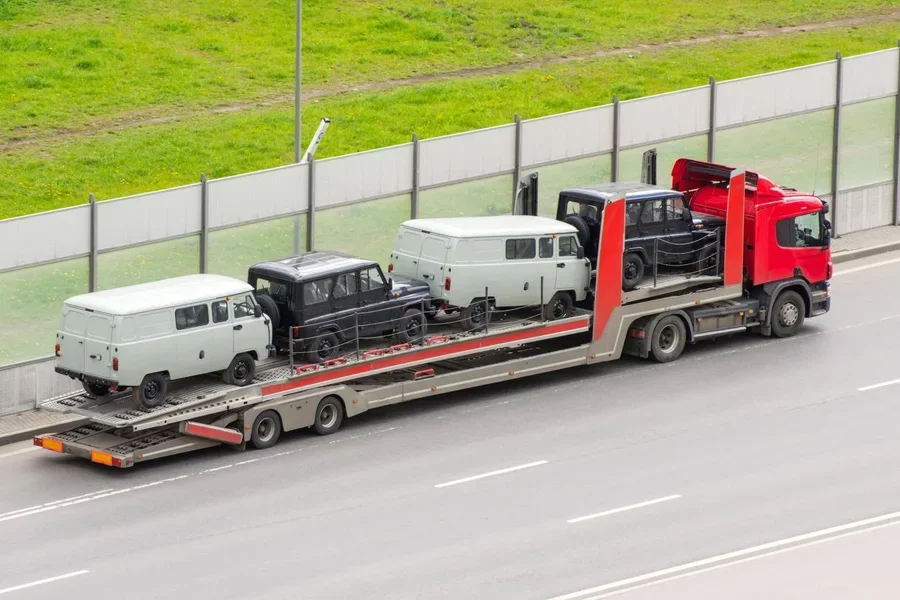
Integrated tow trucks are built for heavy-duty jobs. These trucks combine a tow boom and wheel-lift into one system, making them capable of towing large vehicles like buses or commercial trucks. They have high lifting power, making them perfect for accident recovery or moving large, heavy vehicles. Integrated tow trucks are crucial for businesses that regularly deal with heavy-duty towing, such as construction or logistics companies.
Tow Truck Market Overview in 2024
Industry growth and demand
The global tow truck market was valued at approximately $6.6 billion in 2024 and is forecasted to grow at a compound annual growth rate (CAGR) of around 4.8%, reaching approximately $8.2 billion by 2030. This growth is driven by increasing demand for emergency towing services, expanded infrastructure, and rising road accidents globally. Additionally, advancements in electric-powered tow trucks and more efficient fleet management technologies, such as AI and telematics, are contributing to market expansion.
Regions such as North America, Europe, and parts of Asia-Pacific (especially China and India) are expected to be the largest contributors to market growth due to their extensive road networks and infrastructure development. The market is also witnessing a shift towards integrating more sustainable practices, with electric and hybrid tow trucks becoming a growing segment.
Technological advancements in tow trucks
Technology is changing the way tow trucks operate. Electric tow trucks are becoming more common in 2024, offering a cleaner, more sustainable option without sacrificing power. Along with electric trucks, new tech like AI and telematics is making towing more efficient. AI helps with predicting maintenance needs and optimizing routes, while telematics tracks vehicle performance, location, and fuel use.
Key Considerations for Selecting Tow Trucks
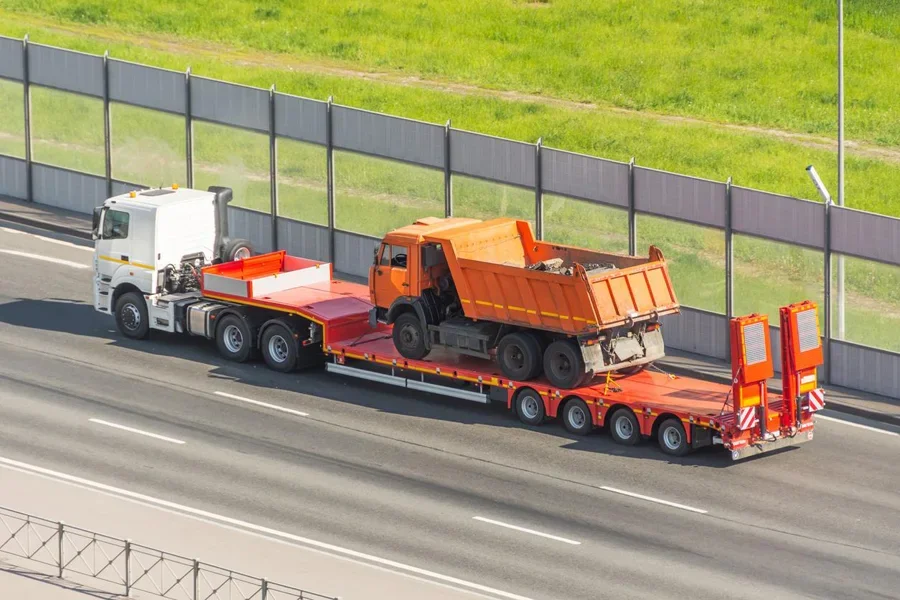
Towing capacity and vehicle types
When choosing a tow truck, it’s essential to match its towing capacity to the vehicles being hauled. Tow trucks are rated based on how much weight they can tow, with some models handling light-duty vehicles and others designed for heavier loads like trucks or machinery. It’s important to know the types of vehicles that will be towed—whether cars, trucks, or larger vehicles—to ensure the selected model has the necessary capacity.
Durability and reliability
Reliability is a key factor in selecting a tow truck, as these vehicles need to perform in demanding conditions. A durable tow truck, well-maintained, can last around 10-15 years. Regular upkeep like brake checks and oil changes is necessary to avoid breakdowns. Businesses should also consider maintenance costs, as some models may need more frequent repairs or expensive parts.
Specialized features for different needs
Different towing jobs may require specific features like hydraulic lifts or winches. These features help tow heavy vehicles or recover cars from difficult spots. Customizable options, such as adjustable towing beds or recovery systems, allow businesses to tailor the truck to meet various needs and improve operational efficiency for different towing tasks.
Compliance with regulations
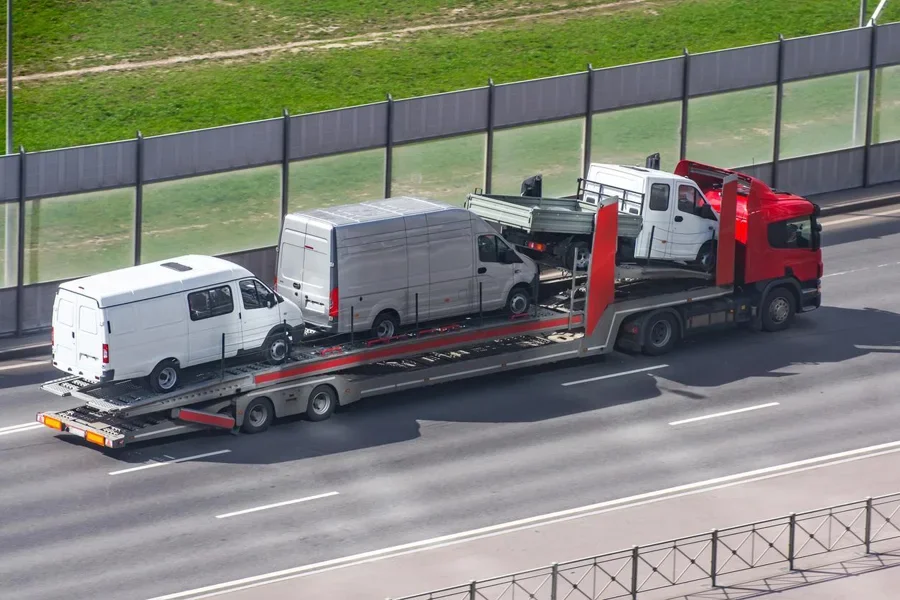
Tow trucks must comply with local regulations, including weight limits and safety standards. Ensuring that a tow truck meets these legal requirements, such as having the correct certifications or emissions compliance, is crucial to avoid fines or operational issues. It’s important to select trucks that adhere to all relevant regulations and industry safety standards to avoid legal and safety risks.
Leading Tow Truck Models and Their Features
Top full-size tow trucks in 2026
Full-size tow trucks are built to handle the toughest jobs, including towing large vehicles like trucks or RVs. These models are equipped with powerful engines and robust towing capabilities, typically ranging from 18,000 to 35,000 pounds. They come with strong hydraulic systems and winches, ensuring reliability and safety when handling heavy loads. These trucks are ideal for businesses that need to tow large or heavily damaged vehicles.
Best midsize tow trucks for versatile use
Midsize tow trucks strike a balance between power and maneuverability, making them perfect for both light and medium-duty tasks. They are commonly used to tow standard cars and smaller trucks, but can also handle some medium-sized vehicles. These trucks are known for their fuel efficiency, ease of use, and versatility, making them ideal for a variety of towing needs, especially in urban or tight spaces.
Innovative tow truck features
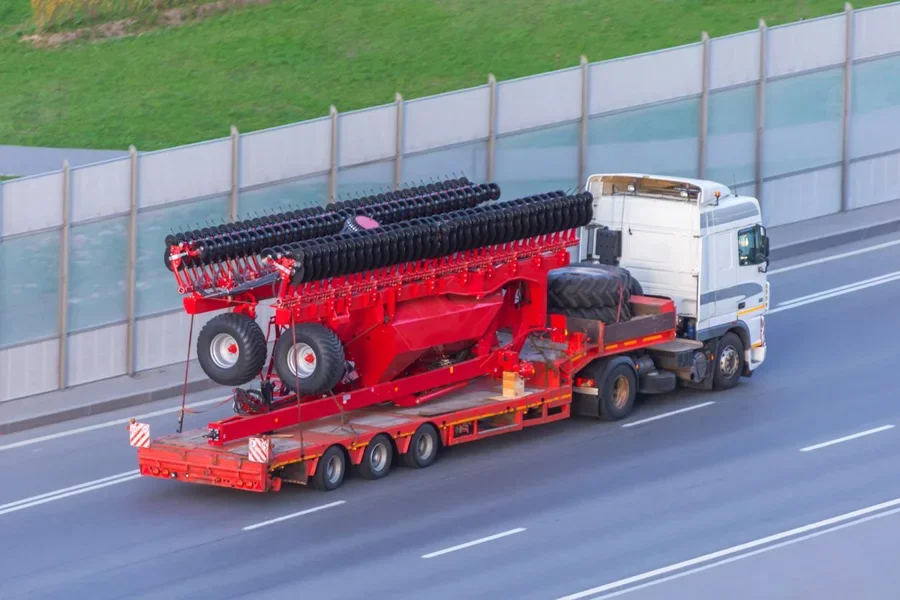
Innovation in the tow truck industry is on the rise. Electric and hybrid models are becoming more common, offering eco-friendly solutions without compromising on towing performance. These trucks can handle a variety of towing tasks while reducing emissions. Additionally, newer tow trucks are being equipped with AI-assisted navigation and safety features, helping optimize routes, reduce fuel usage, and enhance driver safety through advanced driver assistance systems (ADAS).
Cost vs. value: Top models to consider
When choosing a tow truck, it’s important to consider both the upfront cost and the long-term value it provides. Higher-end models may have a higher initial price, but they offer greater durability, longer lifespans, and more advanced features. For businesses on a tighter budget, there are more affordable options that still deliver reliable performance for light to medium-duty towing tasks. The right choice depends on the specific needs of the business and the level of towing capacity required.
Conclusion
Selecting the right tow truck in 2026 requires a careful balance of towing capacity, reliability, and advanced features to match specific business needs. The growing demand for efficient, eco-friendly, and technology-integrated solutions, such as electric and AI-assisted trucks, is shaping the market. While cost is always a consideration, businesses must weigh long-term value and performance, especially as heavy-duty demands evolve. As the market continues to grow, the focus on sustainability and technological advancements will guide future decisions, ensuring businesses invest in tow trucks that meet both current and future requirements.